Some owner's manuals say thirty thousand kilometers. The neighborhood mechanic says five thousand. The oil seller says ten. Who's right? Probably all of them, each one for a different way of using the car.
The manual's number isn't wrong: it's calculated for normal use. The problem is that very few cars actually get normal use. We explain how to tell which one is yours and when you really need an oil change.
Juan explains it in 30 seconds
Why does oil wear out?
Oil lubricates, cools, and cleans the inside of the engine. With every kilometer it picks up combustion residue, heats up again and again, and slowly loses its ability to protect. At some point it's still there, but it no longer does its job well.
How fast that happens doesn't depend on kilometers alone: it depends on how they're driven. Ten kilometers of stop-and-go traffic in the heat demand far more from the oil than ten kilometers of highway at a steady speed.
What counts as severe use?
Most owner's manuals have two maintenance schedules: one for normal use and one for severe use (sometimes called "severe conditions" or "severe service"). If your car tells you when the change is due, follow that alert. If your car matches any of these, the second one most likely applies to you:
City traffic
Stopping and starting all day, with lots of time idling. The engine racks up working hours without adding kilometers, and with the outside heat the oil takes the hit.
Short trips
If most of your trips take under 10 minutes, the engine rarely reaches operating temperature. Moisture and unburned fuel that don't evaporate end up in the oil.
Heat
High temperatures all year make the oil run hotter and break down sooner. In much of Latin America that's not the exception: it's the everyday climate.
Dust and dirt roads
Dust that gets past the air filter ends up contaminating the oil. This also applies if you often drive on unpaved streets.
Loads, towing, or work use
Regularly carrying weight, towing, or using the car for long working hours (delivery, taxi) counts as severe use even if the driving itself is calm.
An older car
A high-mileage engine tends to burn some oil and dirty it faster. It's worth checking the level more often, not just changing it on time.
If you read the list and thought "that's me," you're not alone: with the region's traffic and heat, your car is very likely under severe use even if you never thought of it that way.
The type of oil matters too
As a general guide, mineral oil usually lasts fewer kilometers than semi-synthetic, and synthetic lasts the longest. That's why two identical cars can have different intervals: it depends on what oil they got.
What counts is your manual and the oil bottle, not a rule from the internet. If you don't know what oil went in at the last change, ask the shop and write it down: it's the first thing you'll need to know next time.
And watch the calendar, not just the odometer: most manufacturers set a time limit in months even if you drive very little. Oil that sat in the engine for a whole year also breaks down.
How to check the oil with the dipstick
Car on level ground, engine off
Park on a flat surface and wait a few minutes with the engine off so the oil drains back into the pan. If you just drove, be careful: the engine is hot.
Pull, wipe, and reinsert the dipstick
The dipstick usually has a yellow or orange handle (some newer cars don't have one: the level shows on the dashboard). Pull it out, wipe it with a rag, push it all the way back in, and pull it out again. That second reading is the one that counts.
Check the level
The oil should sit between the minimum and maximum marks. If it's near or below the minimum, top it up without going over the maximum. And if it keeps dropping between changes, tell your mechanic.
Check the color and texture
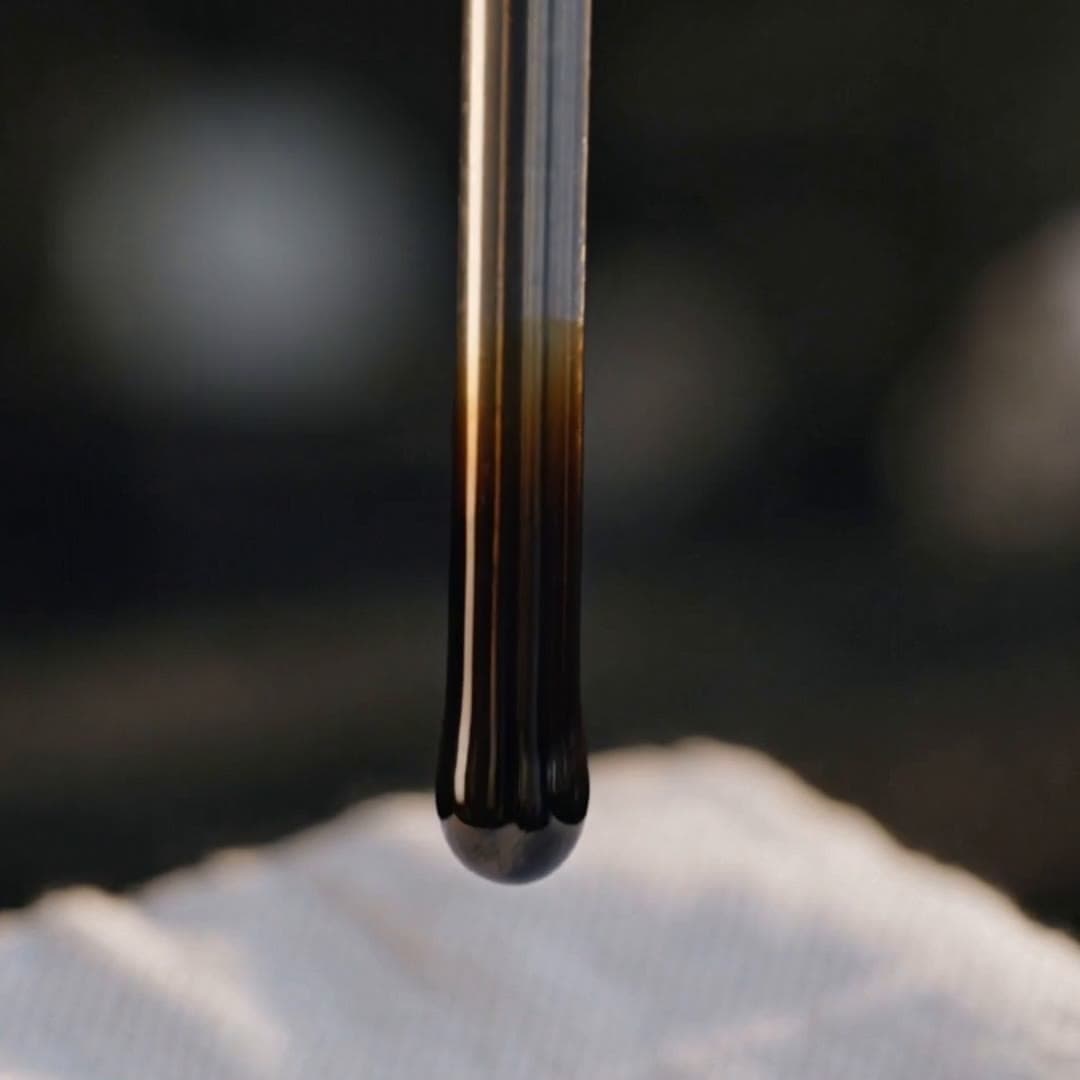
Oil getting darker is normal: it happens fast and isn't a warning on its own. What is worrying is oil that's black and thick, gritty, or smells burnt: in that case, don't wait for the mileage. And if it looks milky, like coffee with milk, stop driving: coolant may be getting into the engine. Take it to a mechanic before changing anything.
Not sure? Take a photo
If you're not sure what you're looking at, take a photo of the dipstick and send it to Juan Mecánico along with your car and when the last change was. It tells you if you're due before the manual's number.
What if I don't have the manual?
It happens a lot, especially with used cars. The severe-use schedule is usually in the maintenance section, and if the manual is gone, the manufacturer usually publishes it online.
The other option is to ask Juan directly with the make, model, year, and how you use the car. Juan doesn't replace your mechanic: it helps you get to the shop knowing what to ask for and when.

“Tell me what car you have, how you use it, and when the last oil change was. I'll tell you if you're due before the manual's number.”